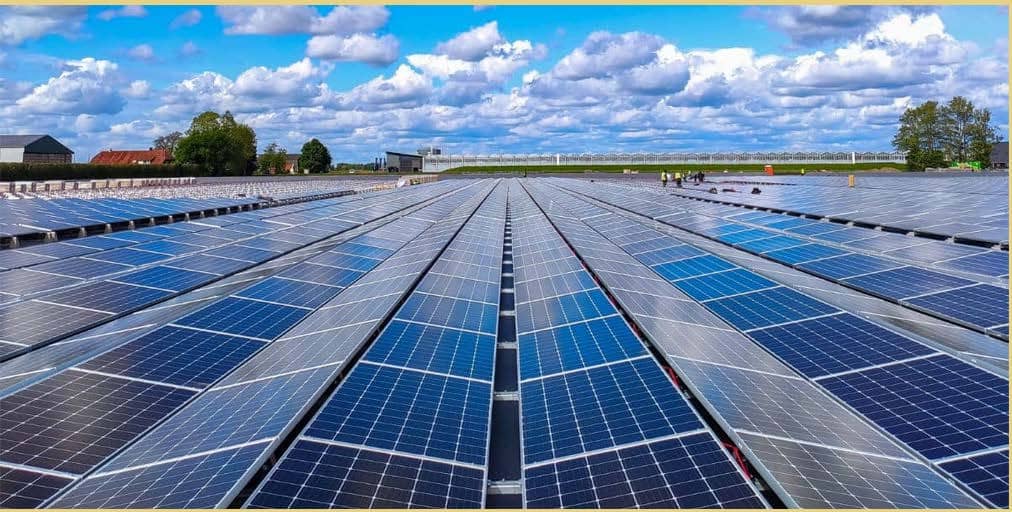
Commercial Solar Panel Installations
for UK Businesses
Let the sun melt your energy bills
Maximizing Your SEG Earnings
Compare tariffs:
Don’t settle for the first offer you receive. Compare SEG tariffs from different energy suppliers to find the best rate for your business.
Choose an MCS - certified installer:
Ensure your solar PV system is installed by an accredited installer to meet SEG eligibility requirements.
We offer finance for businesses up to 7 years
of monthly payments
through our partnership with
Two income streams:
Direct savings on energy bills
The higher your energy bills (provided roof space is adequate), the higher your ROI
SEG (Smart Export Guarantee)
To qualify for the SEG, your solar PV system must be MCS-certified (installed by an accredited installer)
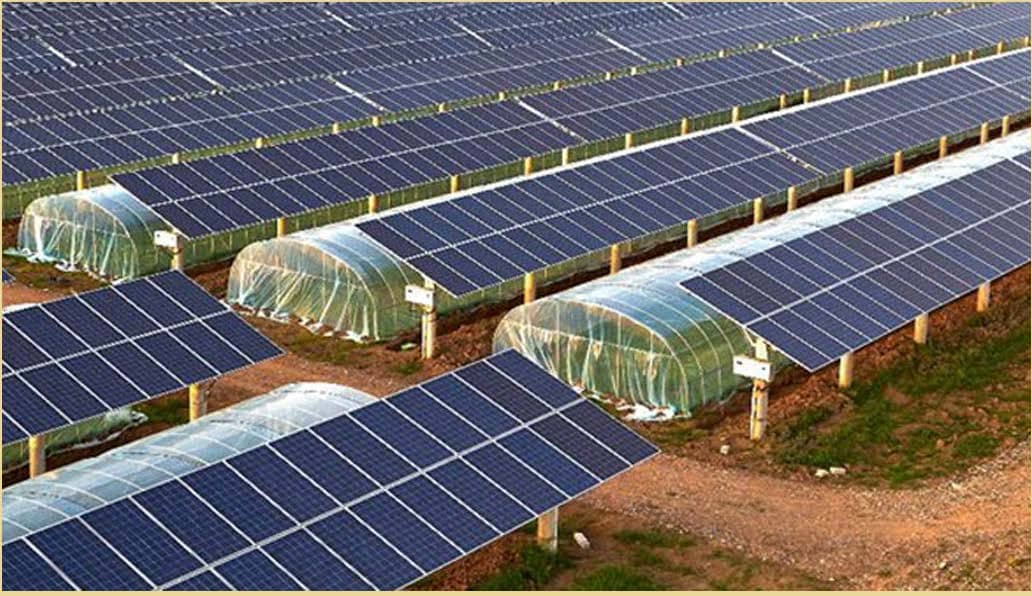
Agrivoltaics
Benetits ot solar in agriculture
Dual land use: By combining agriculture with solar energy, the same land can be used for crop growth, livestock grazing, and energy generation. Improved crop yields: Partial shade from panels can reduce heat stress and water evaporation, leading to improved crop yields, especially for certain crops. Reduced water usage: The shade can reduce water evaporation, which is beneficial during droughts and in areas with limited irrigation. Lower energy costs: Generating your own electricity can drastically cut energy bills and protect against rising costs. New revenue: Farms can generate additional revenue by selling surplus electricity back to the grid. Environmental benefits: Solar power helps reduce a farm’s carbon footprint by providing clean, renewable energy. Livestock protection: Solar panels can provide shelter for animals from extreme weather.